

REGION: Southeast — Florida
CONTENT NOTE: This article discusses poisoning, intimate-partner homicide, family homicide, attempted murder, and capital punishment.
Historical and forensic claims are separated from proven convictions.
Case Overview
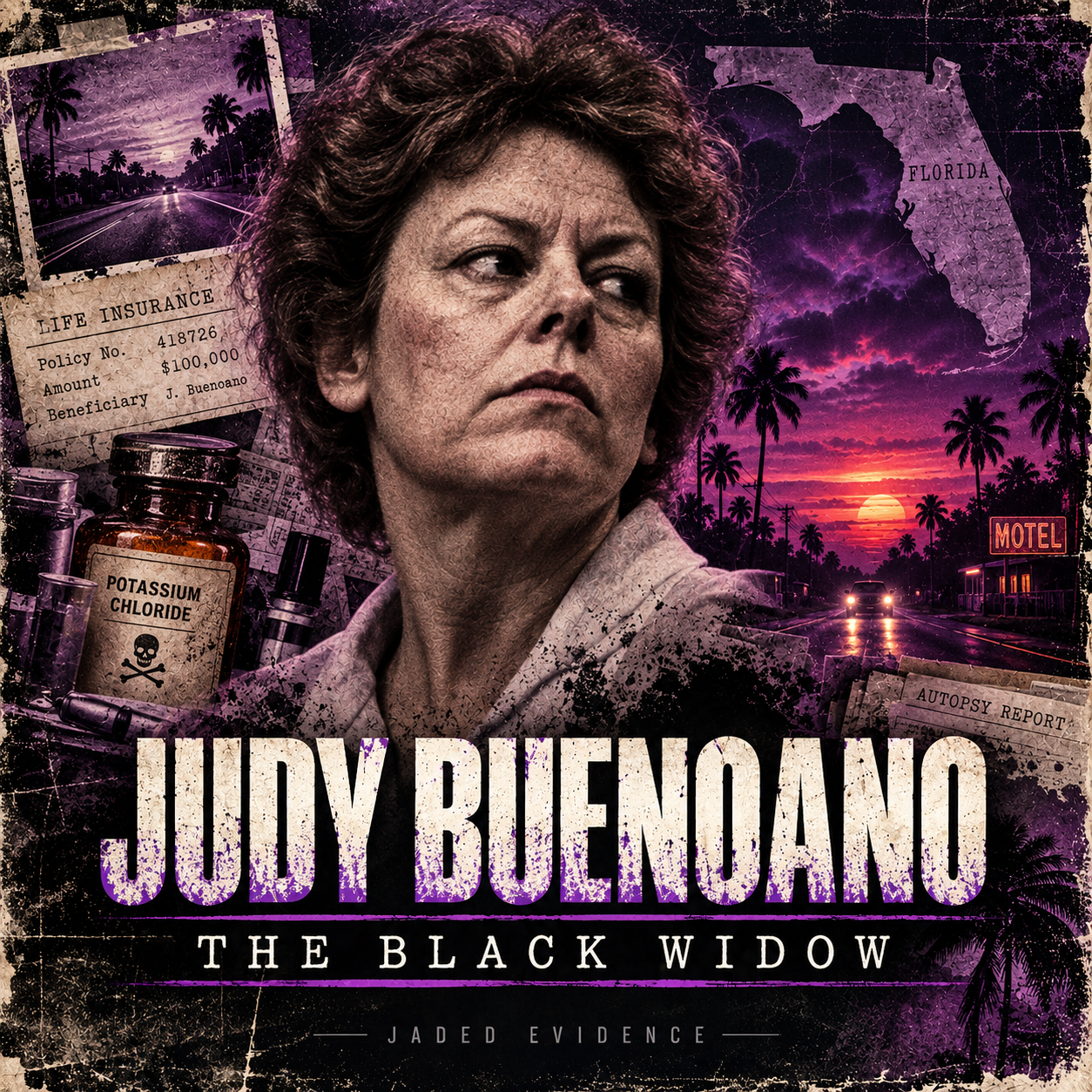
Judy Buenoano was convicted in Florida of killing her husband and son and of attempting to kill another partner.
Poisoning and Financial Motive
Investigators focused on arsenic poisoning, insurance proceeds, and a pattern of suspicious deaths and attempted killings involving people close to Buenoano.
Conviction and Execution
Buenoano was sentenced to death and was executed in Florida’s electric chair in 1998.
Why This Case Matters
The Buenoano case is a major Southeast example of serial homicide within intimate and family relationships, where poisoning and financial motive replaced the stranger-predation pattern seen in many serial cases.
Known Victims and Survivor
- James Goodyear — husband; Buenoano was convicted of his first-degree murder. Toxicology after exhumation showed arsenic poisoning.
- Michael Goodyear — her son; Buenoano was convicted of his murder after he drowned while disabled and dependent on her care.
- Bobby Joe Morris — partner; his exhumed remains showed acute arsenic poisoning. His death was used as collateral evidence in later proceedings, although Buenoano was not separately convicted of his murder.
- John Gentry — fiancé and survivor; poisoned capsules and a later car bombing became central to the investigation and led to an attempted-murder conviction.
Investigation Highlights
- Gentry’s survival and the analysis of capsules he had been given exposed paraformaldehyde and triggered broader scrutiny.
- Investigators revisited earlier deaths, exhumed remains, and found arsenic in James Goodyear and Bobby Joe Morris.
- Life-insurance policies and financial benefits created a consistent pecuniary motive across multiple relationships.
- The Gentry investigation tied together poisoning, insurance, and the earlier suspicious deaths.
Psychiatric and Psychological Record
Postconviction pleadings alleged that psychological testing showed paranoid features, possible organic brain dysfunction, and an organic personality syndrome. Those allegations were litigated largely as mitigation and ineffective-assistance issues; they were not a jury finding that Buenoano was legally insane. Her case therefore should not be reduced to a retrospective psychiatric label.
Modus Operandi vs. Signature
Modus operandi: Access to intimate/family victims, poisoning or other covert means, insurance coverage, and attempts to make deaths appear medical or accidental.
Signature: The recurrent insurance/financial pattern is more a motive-and-method pattern than a ritualistic signature. The attempted car bombing of Gentry also shows that Buenoano varied her method when poisoning did not succeed.
Leave a Reply