

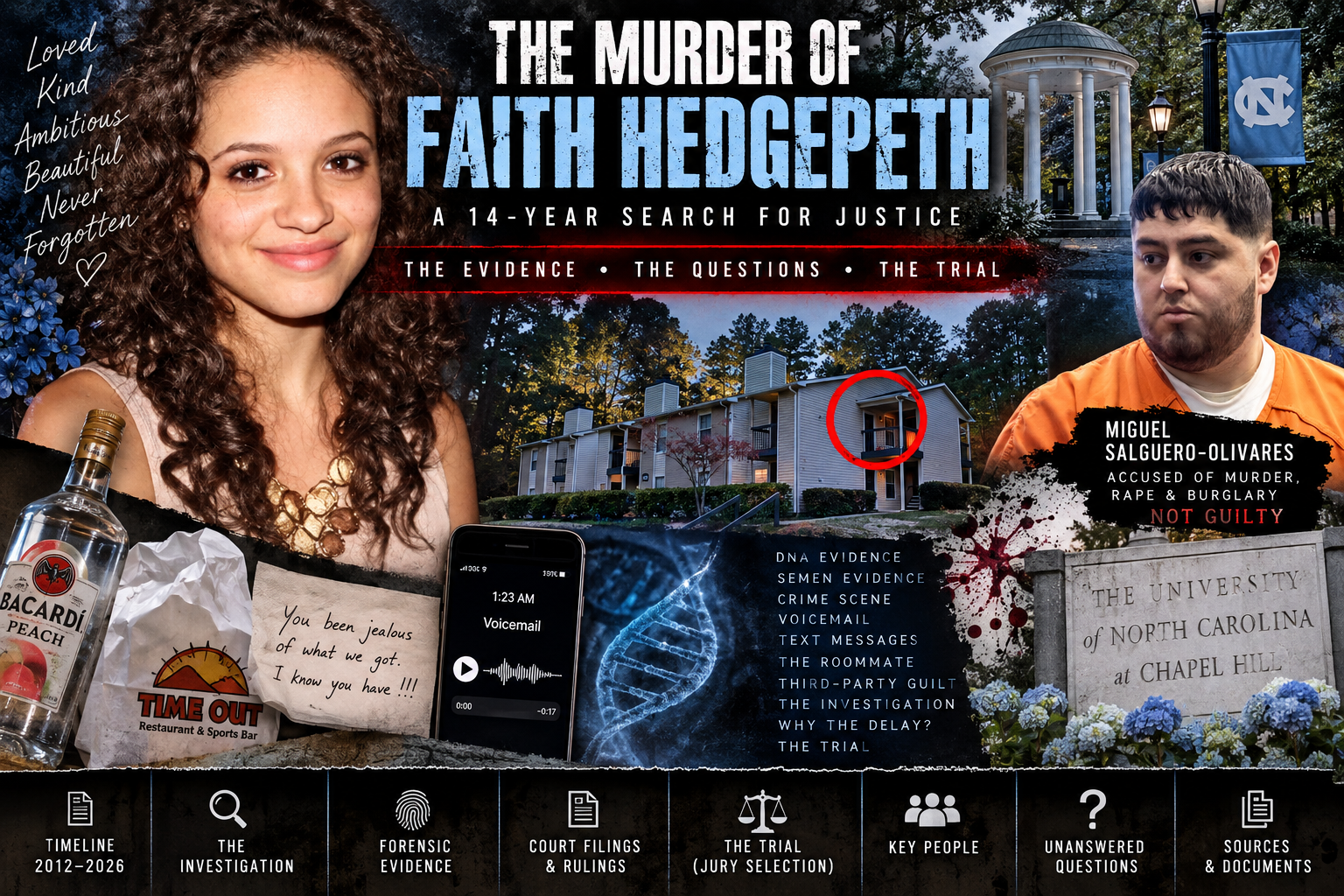
TRIAL WATCH — Updated October 8, 2026: Miguel Salguero-Olivares is on trial in Durham County in Faith Hedgepeth’s 2012 killing. The final alternate was selected October 7, completing a panel of 12 jurors and four alternates; opening statements and testimony followed. WRAL: completed jury panel. WRAL’s October 8 report said the defense was expected to cross-examine roommate Karena Rosario; that is a reported plan, not confirmation that cross-examination has concluded. October 8 trial report.
The Case at a Glance
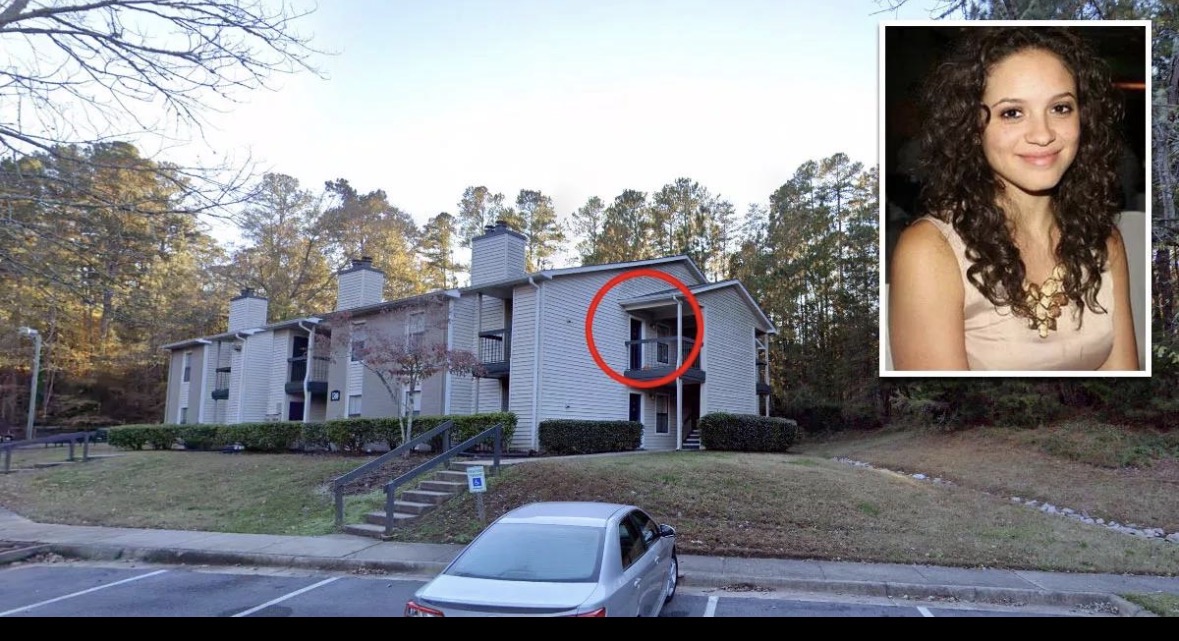
Faith was found dead on the morning of September 7, 2012, inside the apartment she shared with Karena Rosario at the Hawthorne at the View complex on Old Chapel Hill Road. Investigators classified her death as a homicide. The medical evidence described fatal blunt-force head trauma, and biological evidence recovered during the investigation produced an unknown male DNA profile that remained central to the cold case for years.

The Night of September 6–7, 2012
The final hours of Faith’s life have been reconstructed from witness accounts, phone records, surveillance and other evidence, but the precise sequence inside the apartment remains a major trial issue. Faith and Rosario had gone out that night. Rosario later left the apartment, while Faith remained behind. When Rosario returned late the following morning with a friend, Faith was found unresponsive and 911 was called.
The defense has scrutinized the timing of Rosario’s departure, the estimated time of death, phone activity and physical evidence associated with the apartment. Prosecutors have acknowledged that investigators examined Rosario during the long investigation; she has never been charged in Faith’s death. Questions raised in motions are not proof that Rosario or any other third party committed the crime.
The Physical Evidence
DNA and sexual-assault evidence
Male DNA recovered from the crime scene became the investigative anchor of the case. Authorities have said DNA ancestry/genetic-genealogy work eventually helped identify Salguero-Olivares, and a DNA sample obtained from him was reported as matching the crime-scene profile. The trial question is broader than identity alone: jurors will have to evaluate where each biological sample was recovered, what it can establish about contact, and how it fits the state’s proposed sequence of events.
The Bacardi bottle and the print dispute
A Bacardi Peach Rum bottle found near Faith’s body has long been described as a suspected blunt-force weapon. Court filings have produced an important forensic dispute. The defense says its expert identified two bloody thumbprints on the bottle that do not match Salguero-Olivares and wants comparison with other known prints. An SBI report, however, stated that no identifiable latent prints were developed on the bottle. Those propositions are not interchangeable: the jury may hear competing expert interpretations about whether usable ridge detail exists and what, if anything, it proves.
The missing bathroom-doorframe blood sample
One of the most consequential pretrial issues concerns blood collected from a bathroom doorframe and subsequently lost. The defense sought dismissal or a jury instruction allowing an adverse inference. In August 2026, Judge Keith Gregory denied dismissal but sharply criticized the loss of the evidence. The missing sample matters because modern testing cannot now determine whose blood it was or whether it supported either side’s reconstruction.
The Time-Out bag and handwritten message
A restaurant takeout bag found at the scene contained a handwritten message that has fueled years of public speculation about jealousy and motive. At trial, the evidentiary value of the bag depends on authentication, authorship, associated forensic testing and its relationship to the homicide—not on interpretations circulated online.
The Voicemail and Phone Evidence
A voicemail generated from Faith’s phone at approximately 1:23 a.m. became one of the case’s most debated pieces of evidence. Private audio enhancement and interpretation efforts have claimed to identify words and voices, but those interpretations are disputed. The evidentiary questions include the reliability of enhancement methods, whether voices can be scientifically attributed, and whether the recording can establish a timeline. Reports of unusual text messages sent from Faith’s phone are also relevant to the digital timeline, but authorship must be proved rather than assumed.
The 2021 DNA Breakthrough and Arrest
Salguero-Olivares was arrested on September 16, 2021, more than nine years after Faith’s death. Authorities said forensic genealogy helped generate the investigative lead and that a subsequent DNA sample matched the profile associated with the crime scene. A DNA association is powerful evidence, but it does not eliminate the prosecution’s burden to prove every element of each charged offense beyond a reasonable doubt.
The Charges
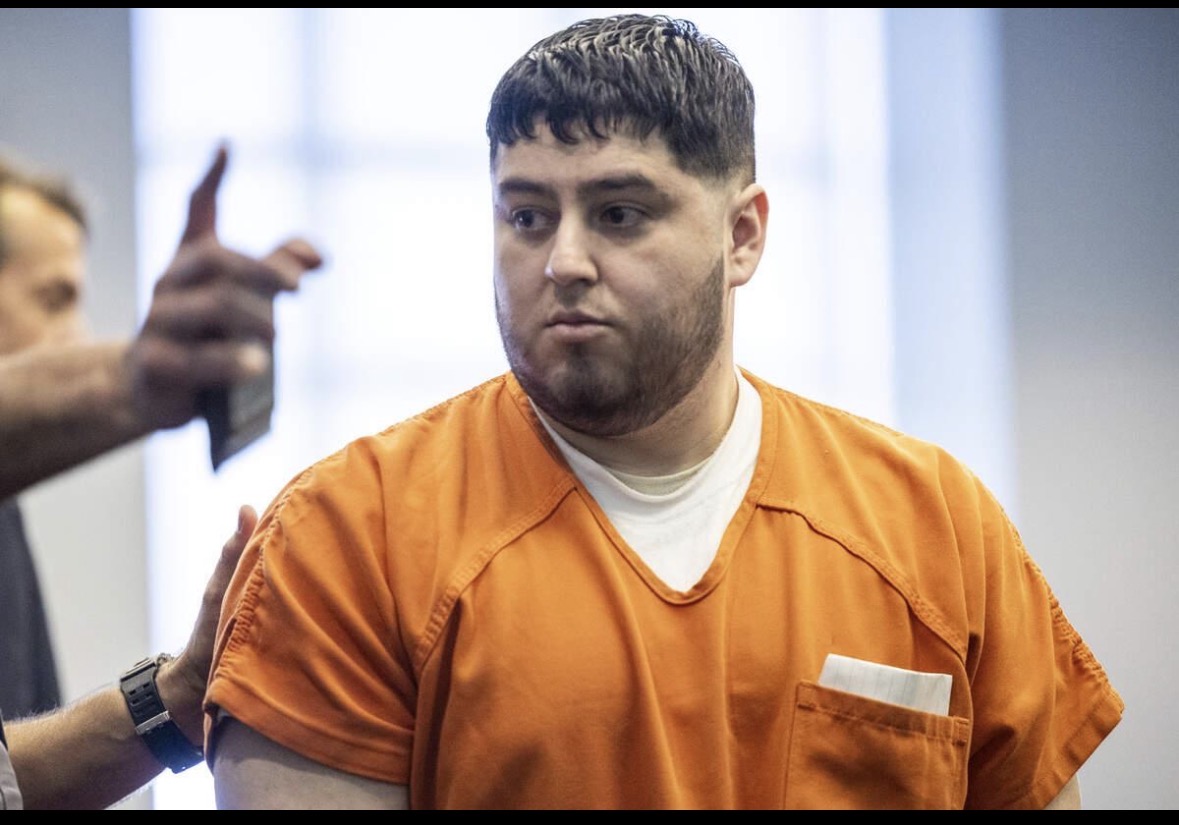
Salguero-Olivares was initially charged with murder. In November 2024, prosecutors added first-degree rape, first-degree sexual offense and first-degree burglary. The timing of those additional charges has itself become part of the defense’s pretrial scrutiny. Charges are allegations; Salguero-Olivares has not been convicted in Faith’s death.
Third-Party Guilt: What the Jury May Hear
On September 21, 2026, Judge Gregory ruled that proposed evidence or testimony suggesting a third party committed the crime must first be addressed outside the jury’s presence. That does not categorically prohibit a third-party defense. It requires the judge to determine admissibility before jurors hear particular evidence, limiting the risk that unsupported suspicion is presented as evidence.
Expert Evidence Expected at Trial
The enormous discovery record—reported at more than 39,000 pages—includes DNA, latent-print, pathology/medical, cellular-location, digital and other forensic material. Recent filings identify prosecution experts in multiple specialties. Expert testimony will be especially important because several high-profile pieces of evidence cannot be interpreted reliably from photographs, transcripts or social-media summaries alone.
Trial Status — October 7, 2026
Opening statements and witness testimony began October 7. Prosecutors told jurors that DNA attributed to Salguero-Olivares was recovered from multiple locations at the scene, including the rum bottle they contend was the murder weapon, Hedgepeth’s body and other evidence, and that his palm and thumb prints were found on another bottle. The defense challenged what the DNA can establish about timing and argued that missing or disputed forensic evidence and aspects of the original investigation create reasonable doubt. These are competing trial positions, not findings.
Among the first witnesses were Hedgepeth’s niece Alexis Evans and roommate Karena Rosario. Rosario became emotional while describing returning to the apartment, finding Hedgepeth and calling 911. The defense highlighted a report that the friend who picked Rosario up earlier told police he saw what appeared to be blood on her hand, as well as evidence from the bathroom that was later lost. Salguero-Olivares is presumed innocent unless convicted.
Evidence Matrix: What Is Established, Disputed, or Still Unknown?
| Issue | Status | Why it matters |
|---|---|---|
| Faith’s death was a homicide caused by blunt-force trauma | Established medical/investigative finding | Defines the mechanism of the homicide. |
| Male DNA associated with the crime scene matches Salguero-Olivares | Prosecution forensic evidence | Central identity evidence; context and deposition remain trial issues. |
| Bloody thumbprints on the Bacardi bottle | Disputed forensic interpretation | Defense expert position conflicts with the SBI report that no identifiable latent prints were developed. |
| Bathroom-doorframe blood | Collected, then lost | Cannot now be retested with modern methods. |
| Meaning of the 1:23 a.m. voicemail | Disputed | Enhanced interpretations may affect timeline and identity theories if admitted and scientifically supported. |
| Third-party responsibility | Defense theory subject to admissibility rulings | Judge must vet proposed evidence outside the jury’s presence. |
| Salguero-Olivares committed the charged crimes | Not established unless proved at trial | The state bears the burden beyond a reasonable doubt. |
Questions Jaded Evidence Is Watching
- Exactly which samples generated the DNA profiles introduced at trial, and what are the statistical match values?
- Can either side establish scientifically usable ridge detail on the Bacardi bottle?
- What chain-of-custody documentation exists for the lost doorframe blood?
- What does the admissible phone and cell-site evidence establish about the movements of Faith, Rosario and Salguero-Olivares?
- Which portions of the voicemail, if any, survive evidentiary challenges?
- What third-party evidence will Judge Gregory permit the jury to hear?
- How will prosecutors connect the biological evidence to the burglary, rape, sexual-offense and murder counts individually?
Sources & Continuing Trial Coverage
WRAL — September 2026 third-party-guilt ruling
WRAL — August 2026 missing blood evidence hearing
WRAL — forensic evidence and Bacardi bottle filings
ABC11 — additional 2024 charges
ABC11 — October 6, 2026 jury-selection update
Jaded Evidence separates established facts, allegations, expert opinions and unresolved theories. This page will be updated as testimony and exhibits enter the trial record.